
Protecting Your Investment with Home Insurance
Homeownership comes with risks that are sometimes out of your control. Taking out an insurance policy on your home helps protect you, your family and your investment.
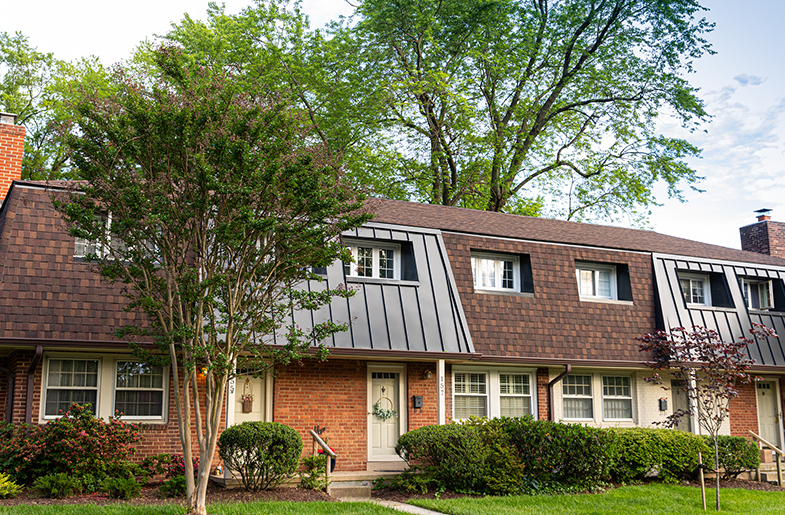
As a homeowner, it’s your responsibility to work with your insurance provider to make sure your home is properly covered. If you have a mortgage, homeowners’ insurance is typically required by your lender to help protect both your interests and theirs.
Understanding how your insurance works — and what it does and does not cover — can make a meaningful difference when you need it most.
What Does Home Insurance Cover?
Most policies cover four essential areas, according to the Insurance Information Institute:
- Damage to your home that requires repairs or rebuilding. This will often also include coverage for damage to other structures on your property, such as sheds or garages, generally at 10% of the cost of insuring the primary structure on your property.
- Theft or damage of personal items within your home. This can include furniture, clothing, jewelry and other valuables.
- Personal liability protection from potential lawsuits or medical bills resulting from injury occurring on your property, or damage to the property of others caused by you or your family. For example, it can provide coverage if a tree from your property falls on a neighbor’s car.
- Additional living expenses if you are unable to live in your home due to damage from a covered disaster, such as your house sustaining structural damage from a bad storm. This can include costs for hotels, meals and other expenses.
Many insurance policies are based on perils, which refer to an event that causes damage to your home and results in financial loss. Depending on your insurance plan, your home may only be covered for damage caused by named perils, which are risks specifically listed in your policy.
Commonly covered named perils include damage caused by fire, extreme weather (e.g. wind, rain, snow or ice), vehicles, falling objects, vandalism and theft.
Did you know?
If you live in a condo or shared building, you may need an HO-6 insurance policy. Learn more.
What Is Not Covered By Home Insurance?
Home insurance policies do not cover every type of damage. These risks, known as excluded perils, often include:
- Sewer backup: Damage caused by your plumbing system backing up.
- Sump pump failure: Water damage caused by a sump pump failure.
- Animal liability: Damages cause by your pet.
- Certain natural disasters: Damage from flooding, earthquakes, land movement or other uncovered weather events.
It is important to review your policy carefully and make sure you understand exactly what is or is not covered. This will allow you to make a more informed decision about whether additional coverages are right for your situation.
What If I Need More Coverage?
Beyond the standard areas of coverage, insurance carriers offer other coverages, referred to as endorsements, often for an additional premium or monthly cost.
Do I Need Natural Disaster Insurance?
Home insurance policies cover damage from most weather events, but there are certain natural disasters that may require additional coverage. If you live in an area at higher risk of natural disasters, you should consider adding additional coverages to address that risk. Available coverage may include:
- Flood insurance: Available through the National Flood Insurance Program (NFIP) or private insurers, flood insurance can help cover damage to your home and belongings caused by flooding.
- Earthquake insurance: Often offered as a separate policy or endorsement, this coverage can help protect against damage caused by earthquakes and related ground movement.
An insurance agent can help you understand your risk and whether these coverages make sense for your location.
How Much Does Home Insurance Cost?
Home insurance premiums vary greatly depending on factors including where you live, what type of home you live in, the age and condition of your home, your plan’s deductible, and your insurance loss history. For a better idea of the average insurance premium in your state, check out this survey from NerdWallet.
There are steps you can take that may lower your insurance premiums, including:
- Shopping around and comparing prices from multiple insurers.
- Bundling insurance policies, such as home and auto insurance, with the same provider.
- Making home improvements that reduce risk, from upgraded roofing to installing a security system.
- Asking about discounts, including claims-free, loyalty or mitigation and resiliency discounts.
In addition to your premium, you should factor in the cost of your deductible. This is the amount you will have to pay out of pocket if you need to make a claim.
Deductible amounts will vary based on your level of coverage. In general, a lower premium will require you to pay a higher deductible when damage occurs.
How Often Should I Review My Policy?
It is important to spend a few minutes each year reviewing your insurance policy. This can help you identify possible coverage gaps and ensure your policy meets your current needs. Try asking yourself the following questions:
- Does my policy provide enough coverage to repair or rebuild my home?
- Does my policy still reflect my home’s current value and features?
- Do I have the right coverage for my home’s specific natural disaster risks?
- How much will I pay out of pocket if I need to file a claim?
Having the right insurance coverage — and reviewing it regularly — can help you recover faster after a loss and protect your financial well-being.
To learn more about maintaining your home, see our step-by-step guide to homeownership.
Last reviewed: August 04, 2026
My Home in your inbox
Sign up to receive resources, tools and tips about buying, owning, refinancing, selling and renting a home in your inbox.