
How to Prepare Your Home for an Earthquake
Earthquakes are unpredictable and can pose a serious risk to you, your family and your property. However, there are steps you can take to help prepare and safeguard your home from earthquake damage.
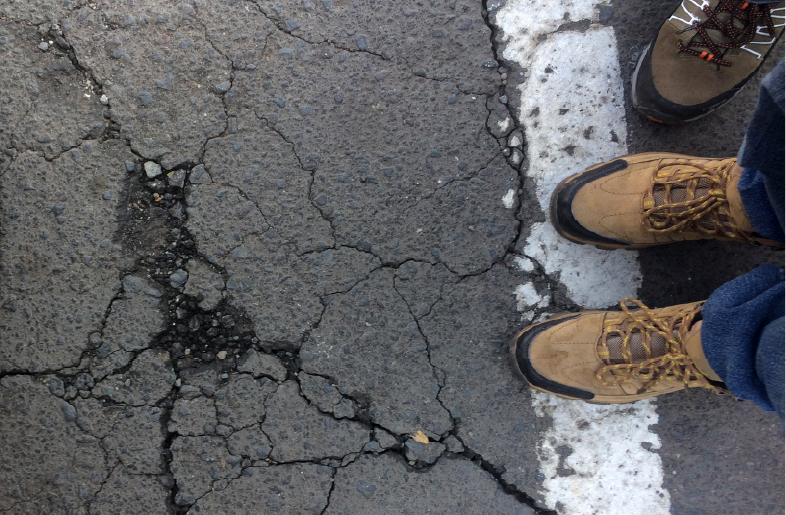
What You Should Know About Earthquakes
Earthquakes can happen anywhere and there are multiple areas of the U.S. at higher risk for earthquakes:
- Western states including California, Washington, Oregon, Alaska and Hawaii
- Central states including Arkansas, Missouri and Tennessee
Earthquakes may cause cosmetic or structural damage to a home, in addition to damaging the contents inside. Structural damage can be severe and may require significant repairs. After an earthquake, it is important to have a qualified professional assess the property for damage.
In addition to damage from the earthquake itself, you should beware of potential fires and landslides, which may be caused by the main quake or even an aftershock.
For more information about earthquake hazards where you live, visit the U.S. Geological Survey website.
Review Your Home Insurance
Standard home insurance policies do not cover damage related to earthquakes. It is important to review your insurance policies at least annually to ensure that you understand what they cover and make sure your policies are aligned with your current situation.
It is important to note that earthquake insurance often has higher deductibles than standard home insurance policies. It is a good idea to compare policies and consider the differences in premium costs, deductibles and any gaps or limitations in coverage.
If you live in an area with elevated risk of earthquakes, you should talk to your insurance agent to determine if earthquake insurance is right for you.
If you live in California, your insurance company is required to offer you earthquake insurance. For more information, visit the California Department of Insurance website.
Preparing Your Home for Earthquakes
There are several low-cost steps you can take to improve the physical safety of your home, including:
- Bracing your hot water heater. This is especially important for homes with gas appliances.
- Restraining heavy items. Large furniture and televisions can cause damage or injury if they fall over.
- Locate and familiarize yourself with your home’s utility shut-offs. This will ensure you are better prepared to take action in case of an emergency.
- Have a plan for backup power. Power outages are common following an earthquake. Having a backup power source — which could include batteries, solar or generators — can keep your vital appliances running until power is restored.
There may also be steps you can take to improve the structural safety of your home during an earthquake. Depending on where you live, grant programs may be available for qualifying homeowners to bolt the house to the foundation or retrofit areas below second-story living spaces. These programs may also help you obtain a discount on earthquake insurance.
For example, if you live in California, the state provides the following resources:
To learn more about earthquake safety, check out the resources from Ready.gov, FEMA and the American Red Cross
Staying Informed
While it is not possible to predict exactly when and where an earthquake will occur, there are still actions you can take to mitigate damage. Evaluate your circumstances at least annually and review information from emergency managers and credible sources to stay informed of the latest earthquake safety updates where you live.
For more resources and information, see our disaster preparedness articles.
Last reviewed: August 10, 2026
My Home in your inbox
Sign up to receive resources, tools and tips about buying, owning, refinancing, selling and renting a home in your inbox.